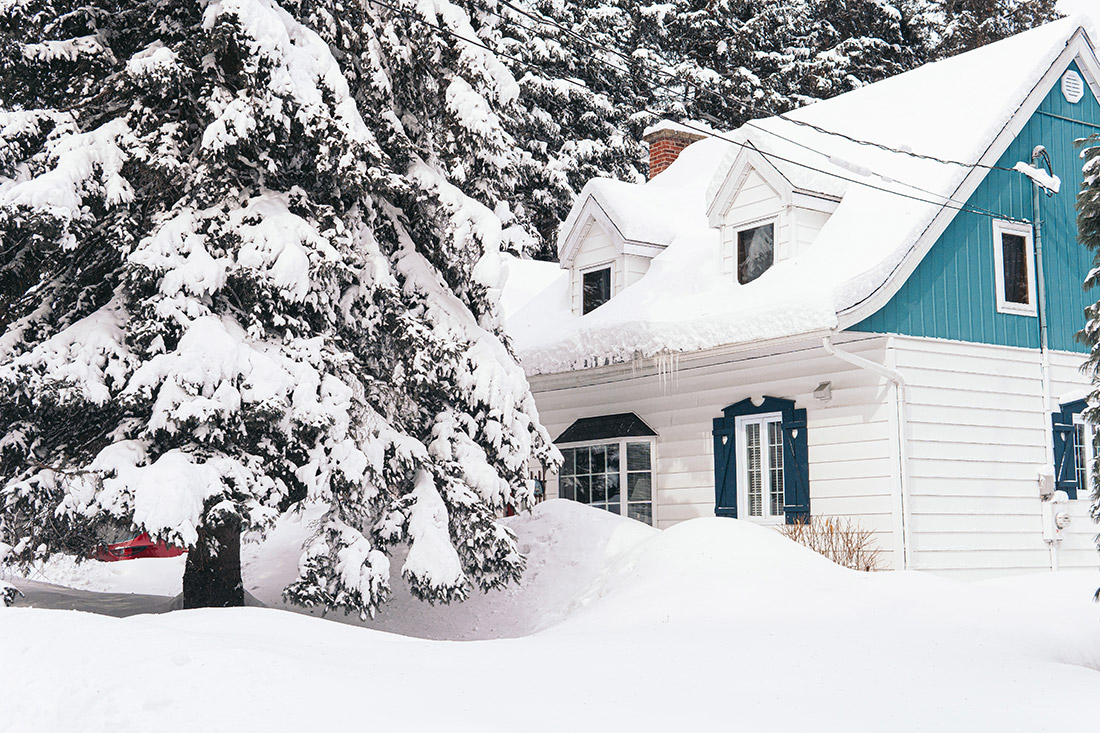
Texas winters are unpredictable. One day it’s warm and sunny, the next night temperatures drop below freezing, only to rebound again by afternoon. While this kind of weather may seem mild compared to northern climates, it can be especially hard on roofing systems.
Freeze–thaw cycles are one of the most common — and least understood — causes of
winter roof damage in Texas. Over time, they can loosen shingles, compromise flashing, create roof leaks, and shorten the lifespan of an otherwise healthy roof.
At New Rüf, we regularly see the effects of freeze–thaw roof damage during winter evaluations across Central Texas. Understanding how this process works — and what homeowners can do to prevent it — can help avoid unexpected repairs and costly roof replacement.
What Is a Freeze–Thaw Cycle?
A freeze–thaw cycle happens when moisture enters small gaps in roofing materials, freezes as temperatures drop, and then expands. When temperatures rise again, that moisture thaws, contracts, and moves deeper into the roof system.
In Texas, this cycle can repeat multiple times in a single week due to rapidly changing weather patterns. Each cycle puts stress on shingles, sealants, flashing, and roof penetrations.
Over time, that repeated expansion and contraction weakens materials and creates pathways for water — even on roofs that appear fine from the ground.
Why Freeze–Thaw Cycles Are Especially Hard on Texas Roofs
Texas roofs are designed primarily to handle heat, sun exposure, and severe storms like hail. Many homeowners don’t realize that winter conditions introduce a different type of risk.
Freeze–thaw cycles are particularly damaging in Texas because:
- Temperature swings are frequent and abrupt
- Moisture from rain, humidity, and condensation is common
- Roofing materials expand and contract rapidly
- Homes are often not insulated or ventilated for cold-weather stress
This is why winter roof damage in Texas often shows up after the cold weather passes — not during it.
Common Roofing Problems Caused by Freeze–Thaw Cycles
Freeze–thaw damage doesn’t always result in immediate failure. Instead, it creates subtle issues that worsen over time.
Roof Leaks from Freeze–Thaw Cycles
As water works its way beneath shingles or flashing, it can enter the roof deck and attic. When temperatures warm up, that trapped moisture often shows up as interior leaks, ceiling stains, or damp insulation — situations that often require roof leak repair once discovered.
Shingle Damage and Premature Aging
Repeated freezing and thawing can cause shingles to crack, curl, or lose granules. Once that protective surface breaks down, the roof becomes more vulnerable to future storms and UV exposure.
Flashing and Sealant Failure
Flashing around chimneys, vents, skylights, and roof transitions is especially vulnerable. As metal and sealants expand and contract, small gaps can form — creating prime locations for future water intrusion.
Ice-Related Issues
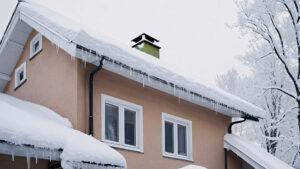
While snow and ice damage to roofs is less common in Texas, brief cold snaps can still lead to ice buildup along roof edges. In homes with poor attic insulation or attic ventilation, this can contribute to ice-related roofing problems.
How Attics, Insulation, and Ventilation Affect Freeze–Thaw Damage
One of the most overlooked contributors to freeze–thaw roof damage is the attic.
When warm air escapes into the attic:
- Roof deck temperatures rise
- Moisture accumulates
- Condensation increases
As temperatures drop again, that moisture freezes — restarting the freeze–thaw cycle.
Proper insulation and ventilation help regulate roof temperature and reduce moisture buildup, making them a critical part of cold-weather roof maintenance in Texas homes.
Signs Your Roof May Have Freeze–Thaw Damage
Because freeze–thaw issues develop gradually, homeowners may not notice a problem right away.
Watch for:
- New or recurring ceiling stains
- Damp or musty attic odors
- Cracked, curled, or missing shingles
- Loose flashing around roof penetrations
- Leaks that appear weeks after cold weather
These are often early indicators that a roof inspection may be needed to determine the cause and extent of damage.
Preventing Roof Damage During Freeze–Thaw Cycles
While you can’t control the weather, you can reduce your roof’s vulnerability.
Schedule a Winter Roof Inspection
A professional inspection can identify early signs of freeze–thaw damage before they escalate into larger problems.
Address Minor Repairs Promptly
Small issues — like cracked sealant or loose flashing — are easier to fix early. Waiting can turn a manageable repair into an emergency situation later in the season.
Improve Attic Insulation and Ventilation
Proper airflow and insulation reduce moisture buildup and temperature fluctuations, helping protect your roof structure during winter.
Keep Gutters and Drainage Clear
Clogged gutters trap water along roof edges, increasing the risk of freezing and backing up beneath shingles.
When Freeze–Thaw Damage Leads to Bigger Roofing Decisions
Sometimes winter stress exposes deeper issues with an aging roof. At that point, homeowners may need to consider longer-term solutions.
Depending on roof condition, options may include targeted repairs or full roof replacement to restore long-term performance and reliability.
Freeze–Thaw Damage vs. Other Texas Roofing Issues
Freeze–thaw damage often overlaps with other common Texas roofing problems, including hail damage and wind-related shingle loss.
For a broader perspective on seasonal preparation, New Rüf also shares guidance in
How to Prepare Your Commercial Roof for Fall & Winter in Texas — many of the same principles apply to residential roofing systems as well.
Protecting Your Roof Through Texas Winter Weather
Freeze–thaw cycles may not grab headlines like hailstorms, but they quietly cause significant roof damage every winter in Texas. Awareness, prevention, and early action make all the difference.
By understanding how freeze–thaw cycles damage roofs — and addressing issues early — homeowners can extend roof life, reduce repair costs, and avoid emergency situations when weather conditions change quickly.