After a storm hits Central Texas, homeowners often focus on immediate cleanup and visible damage. But one of the most important questions tends to come later:
“How long do I have to file a roof insurance claim?”
The answer isn’t always straightforward. While most insurance policies allow time to file a claim, waiting too long can make the process more difficult — and in some cases, may result in reduced coverage or denied claims.
Understanding the timeline — and what steps to take early — can make a significant difference in protecting your home and your investment.
There’s No One-Size-Fits-All Deadline
In Texas, the timeframe to file a roof insurance claim depends on your specific homeowner’s insurance policy.
Some policies allow up to a year or more to file a claim after a storm event. Others may require notification much sooner. The exact language in your policy determines how long you have — and under what conditions your claim will be accepted.
Even when policies provide a longer window, that doesn’t mean it’s best to wait.
Why Filing Sooner Matters
Waiting to file a claim can create challenges that make approval more difficult.
As time passes, it becomes harder to clearly link roof damage to a specific storm event. Weather exposure, normal wear, and additional minor damage can blur the timeline and raise questions during the evaluation process.
Insurance companies typically look for clear evidence of storm-related damage, documentation tied to a specific date or event, and confirmation that the damage wasn’t pre-existing. The longer you wait, the harder it can be to provide that clarity.
Storm Damage Isn’t Always Immediately Visible
One reason homeowners delay filing a claim is because their roof appears fine after a storm.
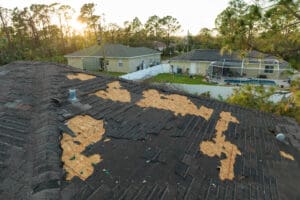
But hail damage, lifted shingles, and flashing separation aren’t always obvious from the ground. In many cases, problems develop gradually — showing up weeks later as leaks or interior water damage.
That’s why a professional inspection is one of the most important first steps after a storm.
If you’re unsure what storm damage actually looks like, this guide can help:
How to Spot and Repair Storm Damage from Summer Hail & Wind in Central Texas
Start with a Professional Roof Inspection
Before filing a claim, it’s important to understand the condition of your roof. A professional inspection helps determine whether damage is present, how extensive it is, and whether repairs or replacement may be needed.
New Rüf uses HITEK drone inspections to capture high-resolution imagery and identify subtle damage that may not be visible during a standard visual check. Our NewTek360 reporting provides homeowners with clear documentation that can be shared with insurance adjusters.
This step ensures that any claim you file is supported by evidence — not assumptions.
If you believe your home may have been affected by a recent storm, you may need residential roofing services to properly evaluate the damage and guide your next steps.
How Insurance Companies Evaluate Your Claim
When you file a roof insurance claim, the insurance company will send an adjuster to inspect your roof.
Their goal is to determine:
- whether the damage was caused by a covered storm event
- the extent of the damage
- whether repairs or replacement are appropriate
If you want a deeper look at how this process works, see:
How Insurance Companies Evaluate Roof Storm Damage in Texas
Understanding this evaluation process can help you better prepare for your claim and avoid surprises.
What Happens If You Wait Too Long?
Delaying a claim doesn’t always mean it will be denied — but it can make the process more difficult. Delays can make it harder to prove when the damage occurred, may lead to additional wear that complicates evaluation, and in some cases can result in reduced coverage or higher out-of-pocket costs.
Even if your policy allows time, waiting can still limit your options.
When Should You File a Roof Insurance Claim?
In most cases, homeowners should take action soon after a storm if there is any suspicion of roof damage.
That doesn’t necessarily mean filing immediately — it means starting with an inspection and documentation process.
A practical approach looks like this:
- inspect your property from the ground
- document any visible damage
- schedule a professional inspection
- review findings before filing a claim
Taking these steps early helps ensure your roof is properly evaluated while the damage is still clearly tied to a specific storm event.
Take Action While Your Options Are Still Open
While insurance policies may give you time to file a claim, the best approach is to act sooner rather than later.
A professional inspection, proper documentation, and a clear understanding of your policy can make the difference between a smooth claims process and a frustrating one.
If a recent storm has passed through your area, the New Rüf team is here to help you evaluate your roof, document any damage, and move forward with confidence.
Taking action early keeps your options open and helps ensure your roof — and your claim — are handled the right way from the start.
Roof Insurance Claim FAQs
To help answer some of the most common questions homeowners have after a storm, here are a few quick answers:
How soon should I file a roof insurance claim after a storm?
Most homeowners should begin the inspection and documentation process immediately after a storm, even if they don’t file a claim right away. Acting early helps ensure damage is properly documented and tied to a specific event.
Can I file a roof insurance claim months after a storm?
In many cases, yes—but waiting can make it more difficult to prove the damage was caused by a specific storm. Delays can also lead to additional wear that complicates the claims process.
What if I’m not sure whether my roof has storm damage?
If you’re unsure, a professional roof inspection is the best first step. An inspection can identify hidden damage and provide the documentation needed to determine whether filing an insurance claim makes sense.