After a spring storm moves through Central Texas, many homeowners are left asking the same question:
“Do I need a full roof replacement — or will repairs be enough?”
It’s an important decision. Acting too quickly can lead to unnecessary costs, while waiting too long can allow small issues to turn into major damage.
The right answer depends on several factors, including the extent of the storm damage, the age of your roof, and how well the overall system is still performing.
Here’s how to evaluate your situation — and how New Rüf helps homeowners make the right call.
Start with the Extent of the Damage
Not all storm damage is created equal.
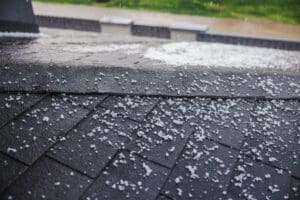
In many cases, hail or wind affects only certain areas of the roof. A few damaged shingles, loose flashing, or minor impact marks can often be addressed with targeted roof repairs.
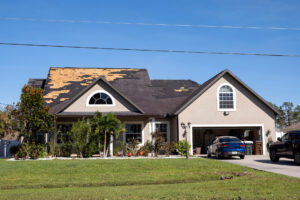
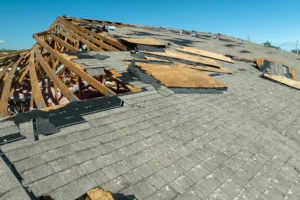
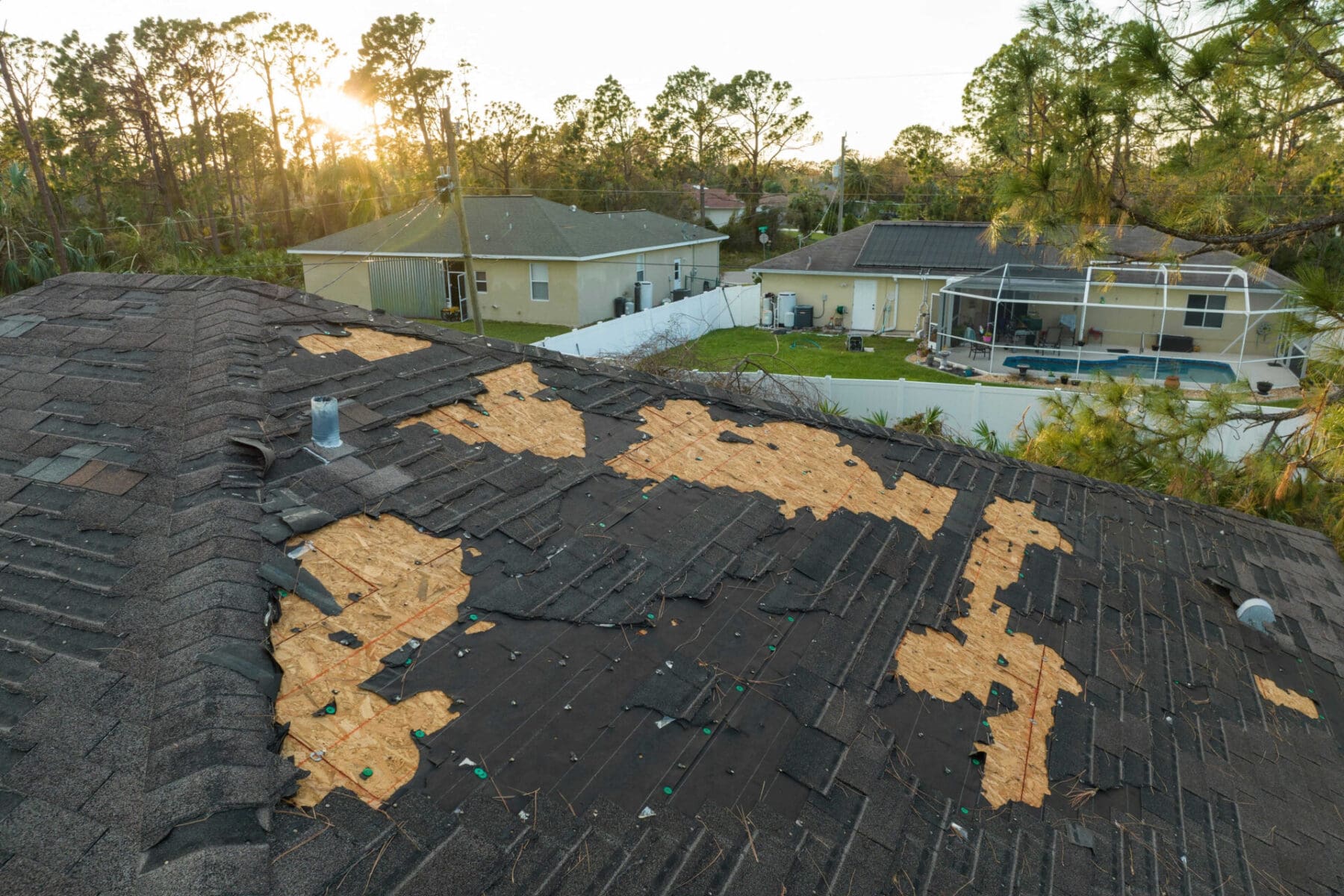
However, when damage is widespread — affecting multiple slopes, large sections of shingles, or key structural areas — repairs may no longer be the most effective solution.
Storm patterns often leave consistent damage across the roof surface. When that happens, it’s a sign that the integrity of the entire system may be compromised.
If you’re unsure what storm-related damage actually looks like, this guide can help:
Your Home’s Roof and Hail Damage
Consider the Age of Your Roof
Age plays a major role in whether repairs or replacement make more sense.
A newer roof with isolated storm damage is often a strong candidate for repair. Addressing the affected areas can restore protection and extend the life of the system.
An older roof, on the other hand, may already be nearing the end of its lifespan. In those cases, even moderate storm damage can accelerate deterioration. Repairs may only provide a temporary solution before additional issues begin to surface.
In Central Texas, roofing materials face intense sun exposure, temperature swings, and seasonal storms — all of which shorten lifespan compared to milder climates.
Evaluate Long-Term Performance — Not Just Immediate Damage
One of the biggest mistakes homeowners make is focusing only on what’s visible right now.
A repair may fix the immediate issue, but if underlying materials are weakened, the roof may continue to deteriorate over time. Repeated repairs can add up quickly and may end up costing more than a full replacement.
The goal isn’t just to fix today’s damage — it’s to ensure your roof performs reliably through future storm seasons.
If you’re trying to understand what a replacement might cost, our Roofing Estimate Calculator can help you get a general idea before making a decision.
Understand What Insurance May Cover
Insurance often plays a role in the repair vs. replacement decision.
If storm damage is significant and properly documented, insurance may cover part or all of a roof replacement. However, if damage is limited or considered cosmetic, repairs may be the only approved option.
Insurance companies evaluate:
- the extent of the damage
- whether it was caused by a specific storm
- the age and condition of the roof
- whether the system can be repaired effectively
If you want a deeper understanding of how this process works, see:
How Insurance Companies Evaluate Roof Storm Damage in Texas
Why a Professional Inspection Matters
From the ground, many roofs look fine — even after a major storm.
But hail damage, lifted shingles, and compromised areas aren’t always visible without a closer look.
New Rüf uses HITEK drone inspections to capture high-resolution imagery and identify damage that might otherwise be missed. Our NewTek360 reporting provides clear documentation so homeowners can see exactly what’s happening on their roof.
This allows you to make an informed decision based on real evidence — not guesswork.
If you believe your home may have been affected by a recent storm, you may need residential roofing services to properly assess the damage and determine whether repairs or replacement are the right next step.
Repair vs. Replacement: A Practical Way to Think About It
In general:
- Roof repairs make sense when damage is limited and the roof is still in good overall condition
- Roof replacement makes sense when damage is widespread or the roof is already aging
But the decision isn’t always black and white.
The right approach depends on how your specific roof has been affected — and how it’s likely to perform going forward.
At New Rüf, we take a repair-first approach. If targeted roof repairs can restore protection and extend the life of your roof, that’s what we recommend. If replacement is necessary, we provide clear documentation to support that recommendation.
Don’t Wait Too Long to Decide
After a storm, it’s easy to delay making a decision — especially if there are no visible leaks.
But storm damage often worsens over time. What starts as a minor issue can become a much larger problem after repeated exposure to sun, wind, and rain. Addressing the situation early gives you more options and helps prevent emergency repairs later.
Every roof is different, and the best decision is the one that protects your home not just today, but through future storm seasons.
With the right inspection, clear documentation, and expert guidance, homeowners can move forward with confidence — whether that means targeted roof repairs or a full replacement.
If your home has recently experienced storm activity, the New Rüf team is here to help you evaluate your options and choose the right path forward.
Storms reveal problems. The right decision determines how long your roof continues to protect your home.