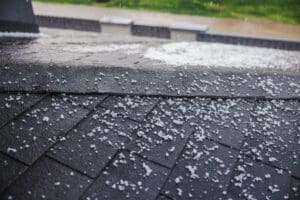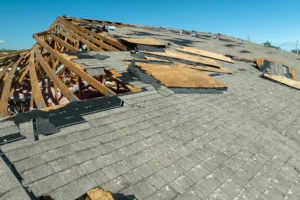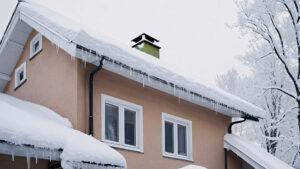
Winter roof inspections are designed to identify damage caused by cold weather, moisture, and temperature swings before those issues turn into costly repairs. In Texas, January is one of the most effective times to evaluate roof performance because winter conditions actively expose weaknesses.
A winter roof inspection looks for early signs of leaks, material stress, moisture intrusion, and drainage problems that often go unnoticed during warmer months.
Quick Answer: What Does a Winter Roof Inspection Include?
A winter roof inspection evaluates:
- Shingle condition and surface wear
- Flashing and sealant integrity
- Attic moisture, insulation, and ventilation
- Drainage and roof-edge water movement
These areas are most vulnerable to freeze–thaw cycles, winter rain, and condensation common in January across Texas.
What Inspectors Focus On During a Winter Roof Inspection
Shingles and Surface Materials
Inspectors look for cracking, curling, granule loss, and loosened shingles. These issues allow moisture intrusion during winter rain and can lead to delayed leaks.
Flashing and Roof Penetrations
Cold weather causes flashing and sealants to contract. Inspections focus on chimneys, vents, skylights, and transitions where separation commonly begins. These findings often indicate the need for targeted roof repair.
Attic Conditions
Moisture, condensation, and damp insulation inside the attic are strong indicators of roof or attic ventilation issues. Winter inspections connect attic conditions directly to roof performance.
Drainage and Roof Edges
Inspectors assess how water moves off the roof during winter rain. Poor drainage increases the risk of leaks and cold-weather damage along roof edges.
January Roof Inspections Matter in Texas
Texas winters create frequent temperature swings, with warm afternoons followed by cold nights. This expansion and contraction stresses roofing materials and allows moisture to enter small gaps.
January inspections matter because:
- Winter damage often appears weeks after cold fronts
- Leaks commonly show up after temperatures rise again
- Small issues are still repairable before spring storms arrive
Inspecting now provides clarity while problems are still manageable.
Why Repairs Should Be Addressed Promptly After a Winter Inspection
Winter inspections frequently uncover issues that are still small but active.
Addressing repairs in January helps:
- Prevent interior water damage
- Reduce emergency repair risk
- Stop moisture from spreading into insulation and framing
This is why many homeowners choose to schedule a roof inspection during winter rather than waiting for spring.
Repair vs. Maintenance vs. Planning Ahead
Not every winter inspection leads to major work.
Most findings fall into one of four categories:
- Repairs: Isolated issues such as flashing separation, sealant failure, or small leaks that can be addressed quickly
- Maintenance: Preventative steps that stabilize aging materials and help extend roof life
- Planning: Identifying when replacement may be needed in the future and preparing for that investment
- Replacement: In cases where winter damage reveals widespread wear or the roof has reached the end of its service life, a full replacement may be the most reliable long-term solution
Ongoing roof maintenance often extends roof life, while tools like a roof cost calculator help homeowners plan responsibly when larger repairs or replacement are on the horizon.
How A Winter Inspection Fits Into Seasonal Roof Care
Winter inspections are most effective when paired with seasonal education. Homeowners often benefit from understanding related winter stress factors, such as those explained in How Freeze–Thaw Cycles Damage Roofs in Texas, which explores how temperature swings affect roofing materials.
Many of the same seasonal principles apply across property types, as outlined in How to Prepare Your Commercial Roof for Fall & Winter in Texas, where proactive planning helps reduce long-term risk.
FAQ: Winter Roof Inspections in Texas
Is winter a good time for roof inspections in Texas?
Yes. January weather reveals leaks, moisture issues, and material stress that may not be visible during warmer months.
Can winter roof inspections find leaks that aren’t visible yet?
Yes. Inspections often identify moisture intrusion before it reaches ceilings or walls.
Do winter inspections always mean repairs are needed?
No. Many inspections result in maintenance recommendations or monitoring rather than immediate repair.
Why not wait until spring?
Waiting allows moisture damage to spread and can turn minor issues into emergency repairs during storms.
A Smarter Way to Start the Year
A winter roof inspection provides a clear snapshot of roof health when conditions are most revealing. In Texas, January is an ideal time to identify damage, make informed repair decisions, and protect your home before spring weather arrives.
Early insight leads to fewer surprises, smarter repairs, and better long-term roof performance.