Winter in Central Texas doesn’t always look like snow-covered rooftops and blizzards, but that doesn’t mean your roof is off the hook. Sudden temperature drops, freezing nights followed by sunny afternoons, heavy rain, and high humidity can all take a toll on your roofing system if it isn’t properly prepared.
At New Rüf, we work with homeowners year-round, and winter weather consistently reveals the same preventable roofing issues when homes aren’t properly prepared. Winter roof maintenance is about addressing small vulnerabilities before they turn into costly repairs. By understanding how cold weather affects your roof and what you can do ahead of time, you can protect your home from leaks, water damage, and unexpected winter surprises.
Why Winter Roof Maintenance Still Matters in Central Texas
Many homeowners assume winter roof problems only happen in northern climates. In reality, homes in this region of Texas face a different, but very real, set of risks during winter months.
Cold fronts can arrive quickly, temperatures can swing dramatically within a single day, and moisture from rain or condensation can seep into vulnerable areas. When that moisture freezes overnight and thaws during the day, it creates stress on shingles, flashing, and roof penetrations.
This freeze-thaw cycle is one of the most common causes of winter roof damage in Texas, even when snowfall is minimal, and it’s often discovered during winter roof inspections.
Understanding Ice Dams (Yes, They Can Happen in Texas)
Ice dams are often associated with snowy regions, but they can still form during cold snaps in Texas—especially in homes with poor attic insulation or ventilation.
An ice dam forms when:
- Warm air from the attic melts moisture on the roof
- Water flows toward the roof edge
- The colder eaves cause that water to refreeze
- Additional meltwater backs up behind the ice
Over time, this trapped water can work its way under shingles and into the roof deck, leading to leaks, insulation damage, and interior water stains.
During winter inspections, ice dam-related issues are most often traced back to attic ventilation or insulation problems that went unnoticed during warmer months. Proper attic insulation and ventilation play a major role in preventing this issue, even in milder climates.
Common Winter Roof Problems Homeowners Should Watch For
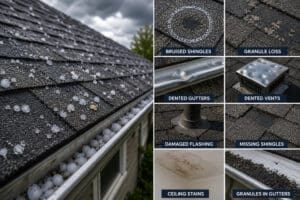
Winter roofing issues don’t always announce themselves right away. Keep an eye out for these warning signs:
- Water stains on ceilings or walls
- Damp or musty smells in the attic
- Missing, cracked, or curling shingles
- Excessive condensation in attic spaces
- Clogged or overflowing gutters after rain
- Icicles or ice buildup along roof edges
These are the same warning signs professional roof inspectors look for during winter inspections, often before homeowners realize there’s a developing issue.
Winter Roof Maintenance Tips for Texas Homes
Here are practical steps homeowners can take to reduce winter roof risks:
1. Clear Gutters and Downspouts
Gutters clogged with leaves and debris prevent proper drainage. During winter rains or freezes, trapped water can back up under shingles or freeze along the roof edge.
2. Check Attic Insulation and Ventilation
A well-insulated, properly ventilated attic helps regulate roof temperature and reduces condensation. This is one of the most effective ways to prevent ice damming and moisture-related damage.
3. Inspect Flashing and Roof Penetrations
Areas around chimneys, vents, skylights, and HVAC penetrations are common leak points. Cold weather can cause materials to contract, opening small gaps that allow water in.
4. Address Minor Repairs Before They Grow
Loose shingles, cracked sealant, or small leaks are easier, and far less expensive, to fix before winter weather exposes them.
Commercial vs. Residential Winter Roof Prep
While this article focuses on homeowners, many of the same principles apply to commercial buildings. In fact, flat and low-slope roofs often face additional risks from ponding water and membrane stress during colder months.
For a deeper dive into winter preparation from a commercial roofing perspective, New Rüf previously shared a helpful resource:
How to Prepare Your Commercial Roof for Fall & Winter in Texas: A Q&A Guide for Facility Managers & Property Owners
That guide highlights why proactive inspections, drainage management, and documentation are critical before winter weather arrives.
Why Winter Is a Smart Time for Roof Inspections
Winter inspections often uncover issues that stay hidden during warmer months. Cooler temperatures, increased moisture, and changing conditions can reveal weaknesses in the roofing system.
New Rüf has also explored why winter can be an ideal season for roofing work in Texas in this article:
Winter Roofing: Why New Rüf Is Ideal for Roofing in Rockdale, TX’s Cold Season
New Rüf specializes in identifying winter-related roof vulnerabilities early, helping homeowners address issues before they turn into emergency repairs.
A Simple Winter Roof Checklist for Homeowners
Before the next cold front moves in, make sure you’ve:
- Cleared gutters and downspouts
- Looked for visible shingle damage
- Checked attic spaces for moisture or stains
- Confirmed proper insulation and ventilation
- Schedule a professional roof inspection if you’re unsure
These proactive steps help homeowners reduce winter-related roof risks and avoid surprise repairs during colder months.
Getting Your Roof Through Winter with Confidence
Winter roof maintenance isn’t about overreacting to the weather, it’s about being prepared. In Central Texas, where conditions can change quickly, a well-maintained roof is your first line of defense against leaks and moisture damage.
With decades of combined experience, New Rüf helps homeowners understand their roof’s condition and take the right steps to protect their home through the winter season and beyond.