After a spring storm moves through Central Texas, many homeowners are left asking the same question:
“Will my insurance cover this?”
The answer depends on how your roof damage is evaluated — and that process isn’t always as straightforward as homeowners expect.
Insurance companies don’t simply approve claims because a storm occurred. They assess the type, extent, and cause of damage, along with the age and condition of your roof, before making a decision.
Understanding how this process works can help you avoid surprises, document your roof properly, and make informed decisions about repairs or replacement.
What Insurance Adjusters Look for After a Storm
When an insurance adjuster inspects your roof, they are evaluating more than just visible damage. Their goal is to determine whether the issues were caused by a covered storm event or by normal wear and tear over time.
In most cases, adjusters look for signs such as:
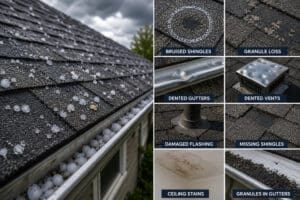
- Impact marks from hail
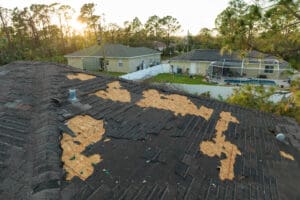
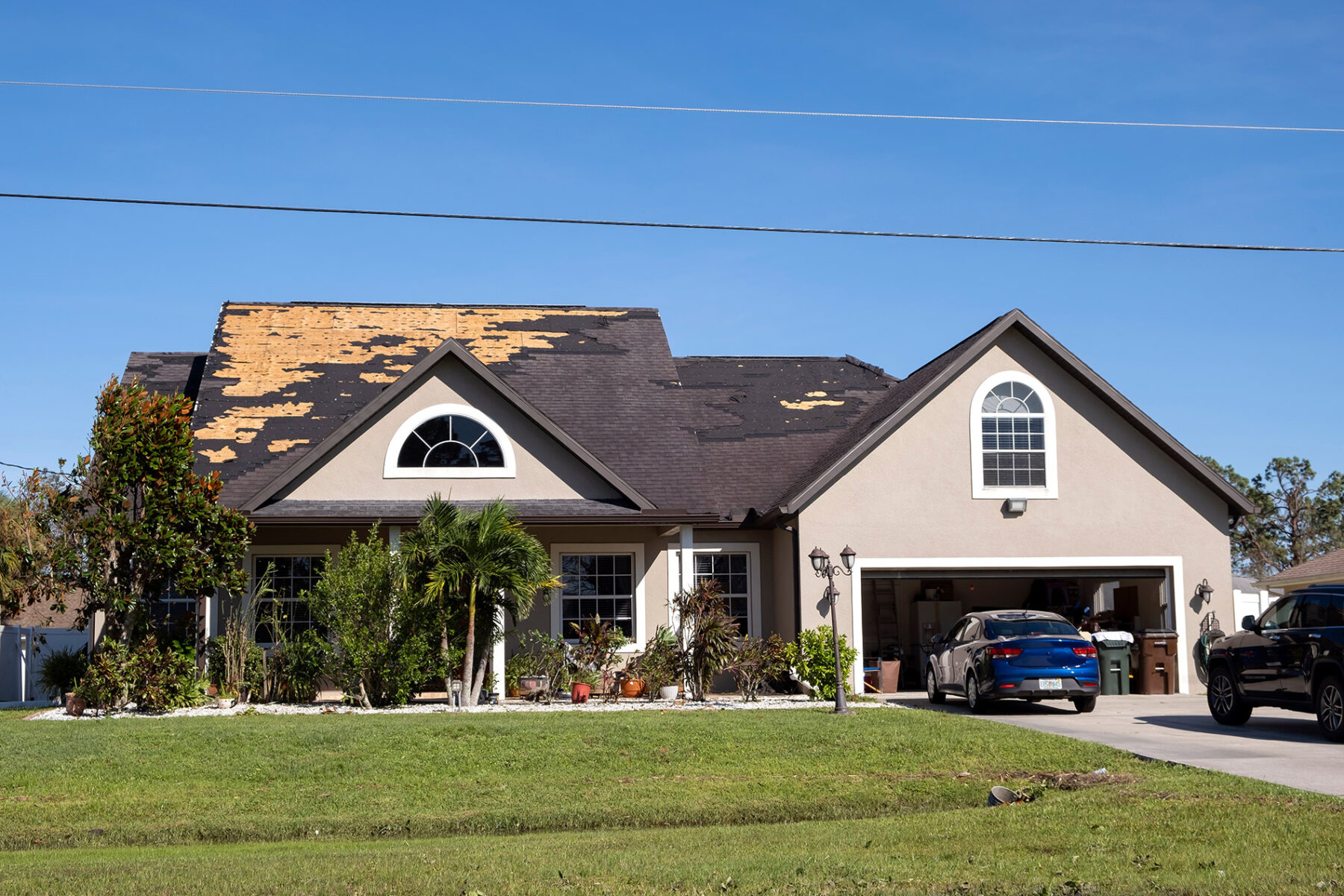
- Lifted, creased, or missing shingles due to wind
- Damage patterns consistent with a recent storm
- Soft spots or compromised areas beneath the surface
- Condition of flashing, vents, and roof penetrations
They also evaluate whether the damage is consistent across the roof or isolated to certain areas, which can influence whether repairs or full replacement are approved.
If you’re unsure what storm damage actually looks like, this guide provides helpful context:
How to Spot and Repair Storm Damage from Summer Hail & Wind in Central Texas
Storm Damage vs. Wear and Tear
One of the most important distinctions insurance companies make is whether your roof damage was caused by a storm — or simply by aging materials.
For example, hail damage often leaves behind distinct impact marks or bruising on shingles. Wind damage may create lifted or creased shingles that follow a consistent direction. These patterns help adjusters determine that the damage is tied to a specific event.
On the other hand, issues like gradual granule loss, brittle shingles, or long-term deterioration are usually classified as wear and tear, which is not covered by most policies.
This is why documentation matters. Without clear evidence of storm-related damage, claims are more likely to be denied.
Why Documentation Is Critical
Insurance claims are built on evidence.
Photos taken immediately after a storm, along with a professional inspection report, can make a significant difference in how a claim is evaluated. The more clearly damage is documented, the easier it is to demonstrate that it resulted from a specific storm event.
New Rüf uses HITEK drone inspections to capture detailed aerial imagery and identify subtle damage that may not be visible from the ground. Our NewTek360 reporting provides homeowners with clear photographic documentation that can be shared with insurance adjusters.
This level of detail helps ensure that nothing is overlooked during the evaluation process.
If you suspect your roof may have been affected by a recent storm, you may need residential roofing services to properly assess the damage and provide documentation.
How Roof Age Affects Your Claim
The age of your roof plays a major role in how insurance companies evaluate damage.
Newer roofs are more likely to qualify for full replacement if significant storm damage is present. Older roofs, however, may be subject to depreciation, partial coverage, or limitations depending on your policy.
In some cases, insurance companies may approve roofing repairs instead of replacement if the roof is already nearing the end of its expected lifespan.
This is another reason why early inspections and roof maintenance matter — they help establish a record of your roof’s condition before major damage occurs.
If you’re unsure whether your roof may need replacement, you can use the Roofing Estimate Calculator to better understand potential costs.
When Repairs Are Approved vs. Replacement
Not every storm leads to a full roof replacement.
Insurance companies typically approve repairs when damage is limited to specific areas and the overall roof system remains structurally sound. This might include replacing damaged shingles, repairing flashing, or addressing localized issues.
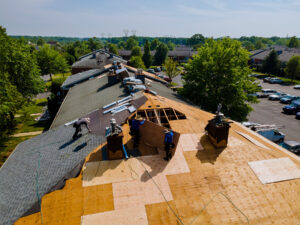
A full replacement is more likely when damage is widespread, affects multiple sections of the roof, or compromises the integrity of the entire system.
At New Rüf, we take a repair-first approach. If targeted roof repairs will restore protection and extend the life of your roof, that’s what we recommend. If replacement is necessary, we provide clear documentation to support that decision.
The Role of a Professional Roof Inspection
While insurance adjusters evaluate claims, they are not always roofing specialists. Their assessment is based on policy guidelines, not necessarily long-term roof performance.
A professional inspection ensures that all damage is properly identified before and during the claims process.
New Rüf works with homeowners to:
- Identify storm-related damage accurately
- Provide detailed inspection reports
- Help homeowners understand their options
- Ensure nothing is overlooked during evaluation
If you’ve recently experienced a storm, scheduling a professional inspection is one of the most important steps you can take.
Avoiding Common Mistakes During the Claims Process
After a storm, homeowners often make decisions that can complicate their insurance claim.
Some of the most common issues include:
- Filing a claim before understanding the extent of damage
- Failing to document the roof immediately after the storm
- Assuming all visible damage will be covered
- Waiting too long to have the roof inspected
Taking a measured, informed approach helps ensure that your claim is supported by clear evidence and accurate information.
Protect Your Home with the Right Information
Insurance claims can feel complicated, but understanding how roof damage is evaluated puts you in a much stronger position.
With proper documentation, a professional inspection, and a clear understanding of how adjusters assess damage, homeowners can move forward with confidence — whether that means roof repairs or replacement.
If a recent storm has impacted your home, the New Rüf team is here to help you navigate the process with clarity and expertise.